Garden Maintenance in Dalston

Our garden maintenance in Dalston focuses on keeping domestic and small commercial outdoor spaces tidy, healthy and easier to use throughout the year. We carry out routine care for lawns, borders, hedges, paths and general green areas, with practical attention to the detail that keeps a garden looking looked after rather than simply cut back. If you want dependable ongoing upkeep or a one-off tidy-up, we can help you keep the work manageable and the finish consistent.
The service can include grass cutting, edging, hedge trimming, pruning of suitable shrubs, weed control and the clearing of clippings or other light green waste created during the visit. We also work around the layout of the garden, so beds, fences, sheds and paved areas are treated with care rather than rushed through. For homeowners, landlords and managing agents, the aim is the same: a sensible maintenance plan that matches the site and the season. Every garden is different, so our approach is built around what the space actually needs.
For a straightforward discussion of what needs doing, start with the main tasks you would like covered and request a quotation when you are ready. If you already have a regular schedule in mind, that is useful too, but a first enquiry can be as simple as a description of the garden and the results you want to achieve. We can then shape the work into a practical maintenance visit or an ongoing arrangement that suits the property.
Routine Garden Upkeep
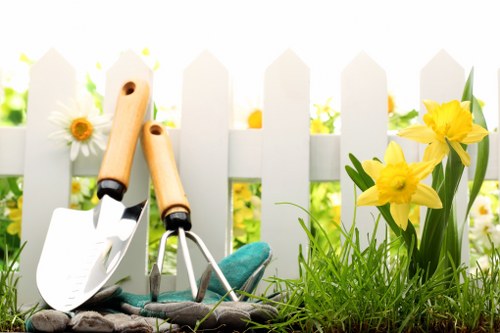
Routine maintenance is about preventing a garden from slipping into avoidable overgrowth, uneven growth or untidy edges. Regular visits usually focus on the visible work that keeps outdoor space presentable: mowing where suitable, trimming edges, clearing leaves and light debris, and keeping access routes free from encroaching plants. In many gardens, doing these smaller tasks consistently is more effective than waiting for a major cut-back later on, especially where planting is layered or the space is used frequently.
We can also keep an eye on the parts of the garden that often become neglected, such as awkward corners, narrow side returns, and areas around steps or boundary lines. A maintenance visit is not just about appearance; it also helps keep pathways usable and planting beds legible. Where appropriate, we will cut back growth that is interfering with the shape of the garden and remove trimmings so the site is left in a better condition than it was found.
Typical routine tasks may include:
- grass cutting and edging
- hedge trimming to agreed lines
- weeding of beds, borders and hard surfaces
- leaf clearance and light seasonal tidying
- removal of routine green waste created on the day
Hedge, Shrub and Border Care

Well-kept hedges and shrubs can frame a garden neatly, but they need regular attention to stay in proportion and avoid becoming heavy or unbalanced. Our hedge trimming and shrub care is suited to plants that benefit from controlled shaping rather than drastic reduction. We work with the natural form of the planting, trimming back growth to a sensible line while avoiding unnecessary damage to healthy structure. This helps maintain privacy, keeps boundaries tidy and supports a cleaner overall finish.
Borders and mixed planting areas often need a different approach from lawns or paved areas. We can weed beds carefully, remove spent growth, deadhead where appropriate and clear away material that is crowding the intended shape of the planting. In more established gardens, a small amount of selective cutting and tidying can make the whole space feel far more ordered without stripping it back. Our work is aimed at controlled maintenance rather than over-processing plants that should be left to develop naturally.
Where seasonal growth is strong, it can help to combine hedge and border work in the same visit so the garden keeps its shape as a whole. That may include checking sight lines, reducing minor overhangs and keeping growth away from fences, gates or paving. If you prefer a lighter touch, we can focus on presentation and access while leaving slower-growing planting alone. The result is a garden that stays neat without losing its character.
Lawn Care and Fine Finishing
Lawns often set the tone for the rest of a garden, so mowing and finishing work need to be done consistently and with care. A cut that is too low, too fast or too irregular can leave the surface looking uneven, whereas a well-managed lawn gives the space a sharper and more usable feel. Our garden maintenance covers the practical mowing work needed to keep grass in shape, along with edging and clearing the cuttings where this is suitable for the site.
Good lawn care is not only about height. It also involves understanding access, surface condition, moisture levels and the presence of borders or obstructions. In some gardens the right choice is a neat cut and tidy edge; in others, the better result comes from a gentler pass that avoids stressing the grass. We can adapt the visit to the layout of the property, whether the lawn is a simple open area or part of a more layered garden design. If grass areas are part of a wider maintenance plan, the finish tends to look more balanced.
Useful choices for lawn work often include deciding whether the grass should be kept at a uniform level, whether the edges need crisp definition, and whether the mow is part of a broader tidy-up. For some gardens, the key question is not how much cutting is done but how carefully it is integrated with surrounding planting, paving and access routes. That is where a considered approach matters most.
Garden Clearance and Tidy-Up Work

Some gardens need more than routine maintenance and benefit from a clearance-style visit before regular upkeep can work properly. That may involve gathering and removing cuttings, bagging loose waste, dealing with accumulated leaves or reducing the visual clutter caused by neglected corners. The purpose is not to strip the garden bare, but to restore enough order that the space can be maintained sensibly afterwards. A good tidy-up often makes later visits simpler and more predictable.
Clearance work can also be useful where plant growth has spread into paths, around sheds or along boundary lines. We approach these areas carefully so the useful structure of the garden is preserved while the excess material is removed. In practice, this may mean balancing removal and trimming rather than using the same method everywhere. Where the garden has become uneven over time, a phased clearance can help bring it back to a manageable condition without creating avoidable disturbance.
When deciding on clearance, it is worth thinking about what should be retained, what can be cut back and what should be removed entirely. That distinction matters because not every untidy section needs the same treatment. Some areas may only need a trim and a sweep, while others require fuller intervention. We can talk through the scope and shape the work accordingly, so the result is practical rather than excessive.
Planning Your Maintenance Visit

Before a visit, it helps to be clear about the parts of the garden that matter most to you. If the lawn is the priority, say so; if hedges, borders or access paths matter more, we can focus there first. It is also useful to mention anything that should be left untouched, such as young planting, wildlife areas or decorative features. Clear instructions make it easier to plan the visit properly and avoid unnecessary guesswork.
For many customers, the simplest way to prepare is to note the main tasks, the current condition of the garden and whether the work is for a one-off tidy-up or something more regular. Photographs can be helpful if you are arranging work remotely, especially where the garden includes awkward areas or heavier growth. If there are access issues, parking considerations or preferred timings, mentioning them early helps keep the arrangement straightforward. Practical detail usually leads to a better match between the job and the time allowed.
When you are ready, a brief enquiry is enough to start the conversation, and we can provide a quotation based on the work you want carried out. If the garden needs a broader plan, we can discuss which tasks should come first and how the maintenance can be paced. For clear next steps, get in touch and tell us what the space needs most.
Materials, Waste and On-the-Day Considerations
Garden maintenance often creates a modest amount of green waste, from grass cuttings to hedge trimmings and spent leaves. Where removal is part of the agreed work, the aim is to leave the space clean and usable once the maintenance is complete. The handling of waste should match the scale of the visit and the type of material involved, because a light trim produces very different waste from a fuller seasonal tidy-up. Keeping this part organised supports the overall finish.
Access and working conditions can also shape how maintenance is carried out. Narrow passages, shared side access, steps, fragile planting and hard landscaping all affect the way tools are moved and how carefully the work needs to be staged. Gardens that combine lawn, paving and planted borders benefit from a methodical sequence, so the mowing, trimming and clearing are done without undoing the neatness achieved earlier in the visit. In this sense, good maintenance is as much about order as it is about cutting.
It can help to think of the visit as a small reset for the outdoor space. The garden does not need to be perfect beforehand; it just needs to be described accurately so the right tasks can be planned. Whether the work is mainly cutting, tidying or clearing, a sensible specification makes the result more predictable and the quotation easier to set out.
About Dalston
Dalston is a district in the London Borough of Hackney, in the East End of London, and it has long been shaped by movement, redevelopment and a strong mix of residential and commercial life. Historically, the area grew from a settlement on the old road network east of the City, and later became more closely tied to rail and bus connections that helped make it a busy urban centre. The district’s built environment reflects that layered history: there are Victorian and Edwardian terraces, interwar developments, post-war additions and newer residential schemes, all arranged within a compact and highly connected part of inner London. Dalston Junction and Dalston Kingsland are prominent stations that help define how people move through the area today.
Architecture in Dalston is varied rather than uniform. Main roads carry shopfronts, small businesses and apartment buildings, while side streets often retain rows of terrace housing and local community facilities. The area has several recognisable public spaces and nearby green escapes, including Dalston Eastern Curve Garden, a much-loved community garden that sits on land once associated with railway use. To the east and north-east, the wider borough offers access to Hackney Downs and London Fields, while to the west the urban grain becomes denser towards the lower reaches of Islington and central Hackney. The cultural life of Dalston has also been notable for music, nightlife and independent venues, which have contributed to its reputation as a lively and changing neighbourhood rather than a fixed historic enclave.
The district’s character comes from that combination of transport, housing variety, local commerce and adaptable public space. Street life can be busy, but the fabric of the area still includes quieter residential pockets and community-led places where planting, trees and small gardens soften the built environment. Dalston’s identity has therefore developed through both its history and its continuing reinvention, giving it a sense of dense urban texture that sits alongside pockets of greenery and local distinctiveness.
Regular Care for Private and Managed Gardens
Regular care is often the best way to keep a garden looking consistent through the changing seasons. Rather than treating each visit as a stand-alone event, an ongoing maintenance pattern can keep lawns, hedges and borders moving in the same direction. That is particularly helpful where the garden is seen every day, shared by tenants or visitors, or part of a property that needs a tidy external appearance. The benefit is less about dramatic change and more about steady control.
Managed gardens often need a slightly different rhythm from private ones. They may have more defined edges, more frequent use or a need for repeat presentation work around entrances, front gardens or communal access points. In those cases, the maintenance can focus on the parts of the garden most visible to residents and visitors while still giving attention to the less obvious spaces that affect the general impression. A sensible schedule helps avoid the stop-start cycle that can make outdoor areas harder to keep in order.
If you are comparing options, think about whether your priority is presentation, plant health or simply keeping the space under control. Each of those goals may lead to a different balance of mowing, trimming, weeding and clearing. We can adapt the scope to match the property, and where needed we can keep the work focused on the areas that make the biggest difference first.
What Our Garden Maintenance Can Include
Our maintenance service is built around practical outdoor tasks that are commonly needed to keep a garden presentable and functioning well. Depending on the site, the work can include mowing, edging, hedge trimming, weeding, light pruning, leaf collection and the tidying of paths or paved areas. Some gardens need all of these elements together, while others only need a handful to make a noticeable improvement. The point is to match the job to the garden rather than forcing every visit into the same pattern.
We also pay attention to the way different features sit together. A neatly cut lawn can look unfinished if the edging is rough; trimmed hedges can still leave a garden looking untidy if the borders are full of weeds; cleared paths can still feel overlooked if clippings are left behind. That is why maintenance is most effective when the tasks are coordinated. The final result should feel coherent, with the main elements of the garden supporting one another instead of competing for attention.
If you want to talk through your garden in practical terms, start with the visible issues first and work from there. A clear description of the current condition makes it easier to set the right scope and decide whether routine upkeep, seasonal tidying or a deeper clearance is the better fit. From there, the quotation can reflect the actual work needed rather than a generic assumption.