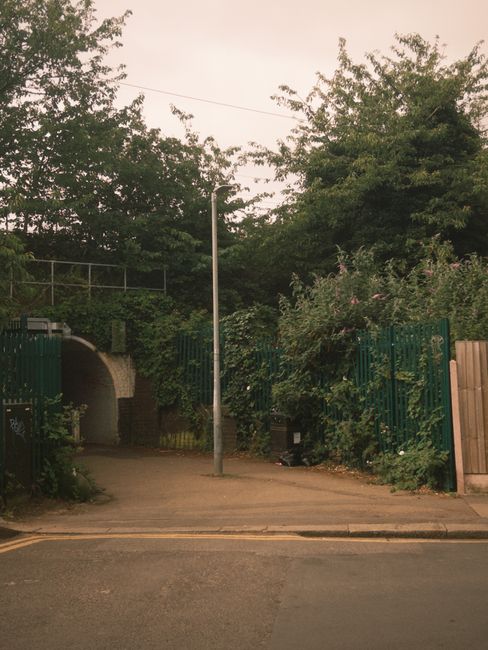
Ridley Road Market garden clearance and gardeners Dalston: a practical local guide
If you live or work near Ridley Road Market, you already know the area has its own rhythm: busy pavements, tight spaces, a mix of terraces and flats, and gardens that can go from manageable to overgrown a bit faster than expected. That is exactly why Ridley Road Market garden clearance and gardeners Dalston matters. When outdoor space is limited, even a small build-up of weeds, rubbish, cuttings, or tangled shrubs can make a garden feel unusable.
This guide breaks down what garden clearance and regular gardening support actually involve, how the work is typically carried out, who needs it most, and what to look for if you want a reliable result rather than a quick tidy-up that falls apart two weeks later. You will also find a checklist, a comparison table, practical tips, and a few local realities that are easy to overlook until you are standing in the middle of a messy back yard thinking, where do I even start?
For readers who want a broader view of the available services, it can help to look at the full services overview before deciding whether you need one-off clearance, ongoing maintenance, or a mix of both.
Table of Contents
- Why Ridley Road Market garden clearance and gardeners Dalston Matters
- How Ridley Road Market garden clearance and gardeners Dalston Works
- Key Benefits and Practical Advantages
- Who This Is For and When It Makes Sense
- Step-by-Step Guidance
- Expert Tips for Better Results
- Common Mistakes to Avoid
- Tools, Resources and Recommendations
- Law, Compliance, Standards, or Best Practice
- Options, Methods, or Comparison Table
- Case Study or Real-World Example
- Practical Checklist
- Conclusion
- Frequently Asked Questions
Why Ridley Road Market garden clearance and gardeners Dalston Matters
Dalston gardens often have to do a lot with very little. Space is tight, access can be awkward, and many properties have a mix of old paving, raised beds, fence lines, shared boundaries, and containers that slowly collect leaves and clutter. Near Ridley Road Market, this is even more noticeable because busy streets and regular foot traffic can make outdoor maintenance feel like a lower priority until the garden becomes a genuine problem.
Garden clearance is not only about making things look neat. It is about resetting a space so it works again. That could mean removing brambles from the back fence, cutting back dense shrubs, clearing broken pots, lifting old turf, or taking away piles of waste that have built up after a move, rental changeover, or long spell without upkeep. Regular gardeners in Dalston, on the other hand, help keep that reset from sliding backwards.
There is a practical side too. A clear garden is easier to use, safer to walk through, and much simpler to keep on top of. A messy side return with damp leaves and hidden debris can be slippery. Overgrown growth can block light, encourage pests, and make smaller gardens feel boxed in. To be fair, most people do not notice how much space they have lost until it is opened up again.
If the work is being done as part of a broader outdoor refresh, it can also connect neatly with routine garden maintenance or, where hard landscaping is involved, landscaping support. That combination often gives the most lasting result.
Key point: in a dense local area, garden clearance is not a luxury clean-up. It is often the first step in making outdoor space usable, safer, and easier to maintain over time.
How Ridley Road Market garden clearance and gardeners Dalston Works
Good garden work starts with a quick but thoughtful assessment. A competent gardener or clearance team will usually look at access, waste volume, plant condition, and anything that needs careful handling, such as mature shrubs, awkward tree growth, or old materials left behind in the garden. That first look matters more than people think. It helps avoid underestimating time, labour, or disposal needs.
In practice, the work usually follows a straightforward pattern:
- Inspect the space. Identify what is being removed, what stays, and whether anything needs special attention.
- Plan the clearance. Decide the order of work so the team can move safely and efficiently.
- Remove waste and overgrowth. This may include weeds, cuttings, branches, bags, broken items, or dead plants.
- Shape and tidy. Once the bulk is gone, the garden is brought back to a usable standard.
- Finish with aftercare advice. This is where a good gardener earns their keep. They will often explain how to stop the same mess building up again.
For some properties, the job is a one-off reset. For others, it becomes a standing arrangement: mowing, trimming, seasonal cut-back, and general upkeep through the year. If hedges are part of the problem, it makes sense to look at hedge trimming services as part of the solution. If the lawn has gone patchy or shaggy, lawn mowing support may be needed alongside clearance.
There is no magic trick here, really. A good result comes from clearing in the right order, using the right tools, and not rushing the bits that need care.
Key Benefits and Practical Advantages
The biggest benefit is obvious: the garden looks better. But the real value goes deeper than appearance. A properly cleared and maintained garden is easier to live with day to day. You can step outside without negotiating a jungle of stems, you can see what needs watering, and you are far more likely to use the space instead of avoiding it.
Here are the benefits people usually notice first:
- More usable space: clearing overgrowth often reveals patios, paths, borders, and seating areas that had been hidden.
- Lower ongoing effort: once a garden is reset, regular maintenance is quicker and less stressful.
- Better light and airflow: cutting back congestion can make a surprising difference, especially in shaded back gardens.
- Improved safety: fewer trip hazards, less slippery debris, and better visibility.
- Cleaner presentation: especially useful for landlords, sellers, hospitality spaces, and anyone preparing for inspections or viewings.
There is also a less obvious benefit: it reduces decision fatigue. When a garden is overgrown, every task feels bigger than it is. Where do you begin? What do you cut first? What should be kept? A professional clearance job cuts through that noise. Suddenly the work becomes manageable again.
If the space is due for a more ambitious refresh, you might compare clearance with longer-term upgrades such as landscape gardening or even structural changes like decking services. Not every garden needs that, of course, but some do benefit from a bigger rethink once the clutter is gone.
Who This Is For and When It Makes Sense
This kind of service is not just for people with big gardens or neglected plots. In Dalston, it is often most useful for smaller spaces that have become awkward to manage. A few examples make this clearer.
Homeowners: If your back garden has become too dense to enjoy, or you want to get it ready for spring planting, clearance can give you a clean slate. That is especially helpful if you are juggling work, family, and the usual London pace. Let's face it, the weekends disappear quickly.
Landlords and letting agents: If a tenant has moved out or the garden has been left in poor shape, a professional reset can restore the property to a presentable condition before reletting. It also helps protect boundaries, fences, and access routes from further damage.
Busy households: Many people simply do not have the time or tools to keep up with cutting back, mowing, and waste removal. A one-off clearance followed by scheduled upkeep can be far more realistic than trying to tackle everything in one go.
Older residents or anyone with physical limits: Garden work is hard on the back and shoulders. If lifting, bending, or prolonged pruning is becoming a problem, it is sensible to hand over the heavy part.
People preparing a property for sale or renovation: A clear garden improves first impressions. Buyers, tenants, and builders all work better when the outside space is not in the way.
And sometimes the trigger is simply seasonal. After a wet winter, a garden can look a bit defeated. In late summer, it may be fast-growing and untidy. Either way, timing the work well makes a difference.
Step-by-Step Guidance
If you want a clear, sensible process, this is the order I would usually recommend. It keeps things grounded and helps avoid the common rush-job mistakes that cause frustration later.
- Walk the garden slowly. Look at what is actually there, not just what you notice first. Broken items, hidden weeds, damaged edging, and blocked paths often reveal themselves only once you move around properly.
- Separate clearance from maintenance. Clearance is the reset. Maintenance is the follow-up. Mixing them in your head can lead to poor planning and a bigger bill than expected.
- Identify priority zones. For example, an access path, front approach, seating area, or water drain may need attention before the rest of the garden.
- Remove obvious waste first. Bags, broken plant pots, dead branches, old supports, and general rubbish should go before finer pruning. It clears the working area.
- Cut back overgrowth carefully. Shrubs, hedges, and boundary growth should be shaped with an eye on the plant's future health. Hard hacking can create a mess that returns quickly.
- Deal with lawn and soft growth. A long lawn or weedy patch often needs a different approach from woody growth. This is where lawn mowing and clearance work together.
- Check disposal and recycling. Decide what is being removed from site, what can be composted, and what should be handled separately.
- Finish with a maintenance plan. Even a simple monthly or seasonal visit can stop the same issue reappearing.
A small but useful detail: if access is narrow, tell the gardener in advance. Side alleys, shared passages, basement steps, and rear access through a property can change the whole job. Nothing dramatic. Just practical.
Expert Tips for Better Results
Good garden clearance is often about restraint as much as energy. A lot of people want everything cut hard and fast because the garden looks chaotic. I get it. But over-pruning can damage plants and create more work later. Better to clear in stages where possible, especially with shrubs that still have a useful shape or privacy value.
Here are a few tips that make a real difference:
- Keep a sharp eye on the boundary line. Neighbour disputes often start with growth crossing fences or walls. A tidy boundary is worth its weight in calm.
- Think in layers. Start with waste, then weeds, then long grass, then shrubs, then detail work. The garden looks better faster and the process feels less overwhelming.
- Ask about waste handling early. Garden waste can mount up quickly, especially after a neglected patch is cut back.
- Use the first clearance as a diagnostic. Once the clutter is gone, you can see drainage issues, broken paving, poor soil, dead planting, or neglected timber more clearly.
- Schedule maintenance before the garden rebounds. If you wait until everything looks wild again, you are back at square one.
One thing that is easy to forget: some plants look worse before they look better. A careful trim can leave a shrub looking a bit sparse for a short while. That is normal. A week or two later, once light and air are getting through, it usually settles nicely. Gardening is not always instant gratification, inconvenient though that may be.
Common Mistakes to Avoid
The most common mistake is treating garden clearance like a bin day. It is not just about throwing things out. It is about deciding what to remove, what to keep, and how to protect the parts of the garden that still have value.
Watch out for these errors:
- Cutting everything to the same height. Different plants need different handling. Uniform chopping can leave the garden looking flat and stressed.
- Ignoring access problems. If waste has to be carried through a narrow house or shared hallway, the job needs more care and planning.
- Leaving disposal until the end. Waste can become the bottleneck, especially if bags, branches, and debris are all mixed together.
- Skipping aftercare. Without follow-up, weeds and regrowth can undo the work surprisingly fast.
- Underestimating the time involved. A small garden can still take a proper afternoon if it has been neglected for months.
Another mistake is assuming the cheapest option is the best option. Sometimes it is, sometimes it is not. But if a team is too rushed to inspect the site properly, you may end up with a tidy surface and messy edges. That sort of thing is irritating. You can usually tell within minutes whether someone is working with a plan or just charging in with a trimmer and optimism.
Tools, Resources and Recommendations
The right tools depend on the job, but a professional gardener or clearance team in Dalston will commonly rely on a combination of cutting, lifting, collecting, and finishing tools. For many gardens, the essentials include pruning tools, hedge trimmers, lawn equipment, sturdy bags or bins for waste, and sometimes heavier removal equipment for branches or awkward overgrowth.
From a homeowner perspective, the most useful resources are not fancy at all. They are simple things:
- a clear list of what you want removed and what should stay
- photos of problem areas before the visit
- notes on access, parking, or shared entry routes
- a rough idea of how soon you want the space usable again
- an understanding of whether you want one-off clearance or ongoing care
If the garden is likely to need repeated attention, it is worth exploring a maintenance plan rather than waiting for another major clear-out. For ongoing upkeep, many people pair clearance with garden maintenance and, where the structure of the garden matters, a broader landscaping approach.
For anyone weighing up cost and scope, the most sensible starting point is often a discussion of expectations. That is where pricing and quotes can help set a realistic frame before work begins.
Law, Compliance, Standards, or Best Practice
Garden clearance and gardening are not highly regulated in the way some trades are, but good practice still matters. In the UK, reputable providers normally work with care around waste handling, health and safety, insurance, and responsible disposal. If they are removing branches, heavy debris, or working near boundaries and shared access, those details should be treated seriously.
For customers, the useful thing to look for is not legal jargon. It is evidence of sensible working methods. That means:
- clear communication before work starts
- appropriate public liability insurance
- safe handling of tools and waste
- respect for neighbouring property and access
- responsible recycling or disposal of green waste where possible
If you are hiring anyone to work around difficult access points, slopes, broken paving, or tree growth, ask how they approach risk and site safety. A reliable business should be able to explain this in plain English. If they cannot, that is useful information in itself.
It is also wise to check the provider's published policies where relevant. Pages such as health and safety policy, insurance and safety, and recycling and sustainability give a better sense of how seriously the company treats everyday working standards.
And yes, there is a practical side to all of this. A tidy, safe, well-managed job is usually a better job. Fancy words do not cut back ivy.
Options, Methods, or Comparison Table
People often choose between a one-off clearance, regular garden maintenance, or a mix of both. The right option depends on how far the garden has slipped and how much time you want to spend keeping it under control afterwards.
| Option | Best for | Strengths | Limitations |
|---|---|---|---|
| One-off garden clearance | Overgrown, cluttered, or neglected gardens | Fast reset, immediate improvement, clears problem areas | Needs follow-up or the mess can return |
| Regular garden maintenance | Gardens already in decent shape | Keeps things tidy, more predictable, lower effort over time | May not be enough for severe overgrowth |
| Clearance plus maintenance plan | Most homes, rentals, and busy households | Best long-term control, less stress, good value over time | Requires a bit of planning and commitment |
| Clearance plus landscaping changes | Gardens needing a bigger rethink | Can improve layout, function, and appearance together | More involved and usually needs more discussion |
If the garden also has poor layout, tired surfaces, or unusable seating areas, a mix of clearance and landscape gardening may give the best result. If your main issue is simply a wild hedge or blocked boundary, start smaller. No need to overcomplicate it.
Case Study or Real-World Example
Here is a realistic example drawn from the kind of work commonly needed around Dalston. A compact rear garden behind a terraced property had been left alone through a wet winter and a busy spring. By the time the owner finally looked at it properly, the lawn had become patchy and tall, the hedge line had spread into the path, and a stack of old plant pots, broken canes, and dead stems had built up in one corner.
The owner did not need a full redesign. What they needed was a clean reset. The work started with waste removal and a careful clear-out around the borders, followed by hedge trimming, mowing, and a proper tidy of the paved area. Once the clutter was gone, they could see the shape of the garden again. A small patio area that had felt cramped suddenly made sense, and the whole space felt lighter.
The useful bit here is not that the job was dramatic. It was that the right sequence made the garden usable again without wasting effort on the wrong tasks. Had the team started by mowing alone, the overgrowth along the edges would have remained a problem. Had they cut the hedge too hard, the boundary would have looked thin and unfinished. A calm, staged approach worked better.
That is often how the best local garden jobs go. Not flashy. Just effective.
Practical Checklist
Use this checklist before booking or starting work. It keeps the process simple and avoids surprises.
- Decide whether you need clearance, maintenance, or both
- Take a few photos of the garden from different angles
- Note any access issues, parking limits, or shared entrances
- Identify items that must stay, such as pots, furniture, or planted beds
- Flag any awkward growth, damaged fencing, or hidden debris
- Ask how waste will be handled and whether recycling is included
- Check whether hedge trimming, mowing, or tree work may also be needed
- Think about how often the garden will need follow-up visits
- Confirm that the provider explains safety and insurance clearly
- Keep a realistic plan for aftercare, even if it is only a monthly tidy
Helpful reminder: the best time to plan the next visit is often the day the garden looks good. It feels counterintuitive, but that is when you are most likely to stay ahead of it.
Conclusion
Ridley Road Market garden clearance and gardeners Dalston is really about making outdoor space workable again. Whether you are dealing with overgrowth, waste, awkward access, or a garden that simply got away from you, a well-planned clearance followed by sensible maintenance can make a dramatic difference without drama. That is the sweet spot.
The key is to treat clearance as a reset, not a one-off rescue mission, and to choose follow-up care that matches your real life. A small, steady routine beats a heroic clean-up every time. Better still, it gives you a garden you can actually enjoy, rather than one you keep meaning to sort out next weekend.
If you are comparing service options, reviewing maintenance plans, or preparing to bring a neglected garden back under control, the next sensible step is to think about scope, access, and ongoing upkeep rather than just the first tidy. Simple, but it works.
For a straightforward next move, explore the company's about us page to understand the approach, then use the available service pages to match the job to the right level of support.
Get a free quote today and see how much you can save.
Sometimes all it takes is one proper reset, and suddenly the garden feels like yours again.
Frequently Asked Questions
What does Ridley Road Market garden clearance and gardeners Dalston usually include?
It usually includes removing overgrowth, weeds, green waste, broken garden clutter, and general debris, plus trimming and tidying where needed. Some jobs also include mowing, hedge work, and light shaping so the space is ready to use again.
How is garden clearance different from regular garden maintenance?
Garden clearance is the bigger reset: removing accumulated waste, overgrowth, and neglected growth. Garden maintenance is the ongoing care that keeps the garden tidy afterwards. Most people need both at different times.
Do I need a full clearance if my garden is only slightly untidy?
Not usually. If the garden only needs a light tidy, ongoing maintenance may be enough. A full clearance makes more sense when growth has become dense, waste has built up, or the space has stopped being usable.
Can gardeners help with hedges and lawns as part of the same visit?
Yes, and that is often the most efficient approach. Hedges, lawns, borders, and general waste removal can often be handled together so the garden feels finished rather than half-done.
How often should a Dalston garden be maintained?
That depends on the size of the garden, the plants involved, and how much time you have. Some gardens need monthly attention; others only need seasonal visits. Fast-growing hedges and lawns usually need more frequent care.
Is garden waste always taken away?
Not always, so it is worth checking in advance. Some services include waste removal, while others may leave the waste bagged for collection or ask you to make separate arrangements. Confirm this before the job starts.
What should I do before the gardeners arrive?
Clear access where possible, move valuables or fragile items, and point out anything that should not be touched. If there are narrow routes, locked gates, or shared access, mention those early. It saves time and a bit of stress too.
How do I know if I need landscaping rather than simple clearance?
If the issue is mainly mess, overgrowth, or waste, clearance is usually enough. If you want to change the layout, improve surfaces, add structure, or redesign how the space works, then landscaping may be the better next step.
Are there safety concerns with overgrown gardens?
Yes. Trip hazards, hidden debris, slippery paths, unstable branches, and poor visibility can all create risks. That is why a careful site assessment and safe working approach matter, especially in tight urban gardens.
Can regular maintenance save money over time?
In many cases, yes. Keeping on top of the work usually prevents heavy buildup, which means less labour and less waste to deal with later. A steady routine often feels easier on the wallet than repeated emergency clearances.
What if I only need help with one awkward part of the garden?
That happens all the time. You might only need the hedge line, the rear boundary, or the lawn tackled first. A good gardener will help you prioritise the areas that have the biggest impact.
Where can I learn more about the company and its standards?
You can review the company information on the about us page, and for practical details look at pages such as insurance and safety and recycling and sustainability. Those pages help show how the work is approached in everyday terms.